




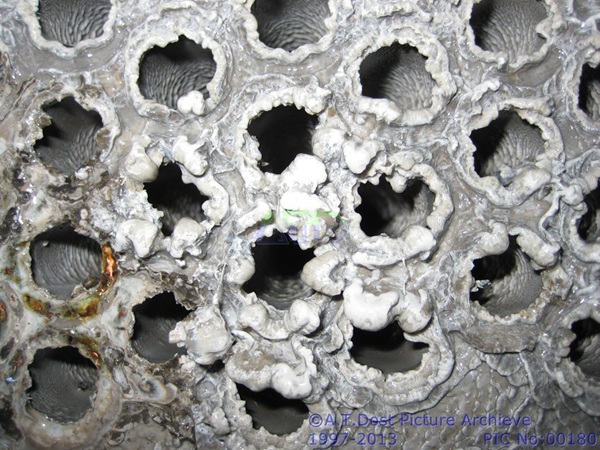
The Hidden Cost of Deposits in Heat Transfer Equipment
A decline in the performance of a heat exchanger does not usually manifest as a sudden failure. The process generally unfolds more gradually. A thin layer of deposits forming on the heat transfer surfaces does not initially halt production, trigger an alarm or attract the attention of operating staff. Consequently, the system begins to consume increasingly more energy to perform the same task. Over time, when rising fuel or electricity costs, reduced production capacity, maintenance requirements and unplanned downtime are taken together, the cost to the business of what initially seemed like a minor deposit can be quite high.
The primary function of heat exchangers is to ensure the most efficient possible heat transfer between two fluids. However, every additional layer forming on the metal surface creates a new barrier to heat transfer. Whilst the metal has high thermal conductivity, deposits such as limescale, silica, corrosion products or biological films have much lower thermal conductivity. Consequently, even a very thin layer can significantly reduce heat transfer between the metal surface and the fluid.
When a heat exchanger begins to become fouled, the system requires more energy to reach the target outlet temperature. In boilers, this can lead to increased fuel consumption, whilst in cooling systems, it can result in higher energy consumption by fans, pumps and compressors. Some plants attempt to compensate for this loss by increasing steam pressure, flow rate or operating temperature. Whilst this approach may appear to be a short-term solution, it can cause the equipment to operate under more severe conditions, accelerate the formation of deposits and subject metal surfaces to thermal stress.
Not all deposits have the same composition, and their effects on heat transfer also vary. Mineral deposits such as calcium carbonate and calcium sulphate typically form hard layers that are firmly bonded to the surface. Deposits containing silica, on the other hand, can develop into a glassy structure over time that is difficult to dissolve. Removing these layers becomes particularly difficult in systems operating at high temperatures.
Corrosion products are another significant group of deposits that adversely affect heat exchanger performance. Iron oxides and other metal oxides not only reduce heat transfer but, due to their porous structure, can also trap other contaminants. Consequently, a more complex and thicker layer forms on the surface over time. Oxygen gradients and localised chemical changes occurring beneath the deposit can lead to under-deposit corrosion. In this case, the problem is no longer merely a matter of energy loss but becomes a damage mechanism that threatens the integrity of the equipment.
Microbiological deposits are another type of contamination that must be taken into account, particularly in cooling water systems. The biofilm formed by microorganisms acts as an adhesive layer that traps suspended solids and corrosion products from the water onto the surface. Whilst the biofilm itself reduces heat transfer, it can also accelerate mineral scaling and microbiologically influenced corrosion. Oil, process leaks and organic matter, meanwhile, can facilitate adhesion to surfaces, leading to the concurrent development of different types of deposits.
Deposits do not merely impede heat transfer. The narrowing of heat exchanger channels and pipes increases the flow resistance of the water. To maintain the same flow rate, pumps must consume more energy. Pressure loss increases and the distribution of flow across the surface may be disrupted. Whilst fouling may accelerate in some areas due to insufficient flow, excessive flow velocity in certain narrow sections may increase the risk of erosion and corrosion. Consequently, the system transforms into a structure that progressively loses its performance and generates new problems within itself.
Once deposits reach a certain level, cleaning becomes unavoidable. However, the cleaning process itself is a significant cost factor for the business. Taking equipment out of service, halting production, labour costs, cleaning chemicals, waste disposal and final inspections all contribute to the total cost. In the event of an unplanned shutdown, the loss of production can often be far higher than the direct cost of cleaning. Chemical cleaning is an effective method when the correct chemical, concentration, temperature, contact time and corrosion inhibitor are selected. However, applications carried out without sufficient analysis of the scale’s composition can damage metal surfaces. An excessively high acid concentration or prolonged contact time may attack the base metal once the deposits have been dissolved. Unsuitable cleaning chemicals can cause irreversible damage to stainless steel, copper alloys, galvanised surfaces, gaskets and elastomers. Failure to carry out adequate rinsing, neutralisation and, where necessary, passivation after cleaning may also lead to corrosion beginning shortly after the equipment is brought back into service. Furthermore, the acid, dissolved metal and other contaminants contained in the used cleaning solution must be managed in accordance with environmental regulations.
Mechanical cleaning is not always a harmless option either. High-pressure water jets can be quick and effective, particularly for cleaning the interiors of pipes. However, failure to adjust the pressure, nozzle type, distance and angle of application according to the surface material can lead to metal loss and localised erosion. Applying the water jet to the same point for an extended period may cause thinning of the pipe wall and an increase in surface roughness. Turbulent jet effects and cavitation-like impacts occurring under unsuitable conditions can also accelerate surface damage, particularly in softer alloys. Scratches and rough areas formed during cleaning can become attachment points for new deposits when the equipment resumes operation. Therefore, the most appropriate approach is not to allow the heat exchanger to become fouled at regular intervals and then subject it to heavy-duty cleaning. The primary aim is to minimise the need for cleaning and extend the operating time between cleanings by keeping the rate of deposit formation under control. This is achieved through a proper water treatment programme tailored to the system and the characteristics of the water used.
An effective programme does not simply involve dosing a specific amount of chemicals. Regular water analysis, monitoring of concentration cycles, the selection of suitable antiscalants and corrosion inhibitors, monitoring of microbial growth, ensuring adequate filtration, and tracking process leaks are integral parts of the programme. The inlet and outlet temperatures, pressure drops, flow rates and energy consumption of heat exchangers must also be monitored regularly. Even minor changes in these parameters can indicate the onset of scaling before any significant loss of performance occurs.
Scaling on heat transfer surfaces is not merely a maintenance issue; it is an economic loss that simultaneously affects energy efficiency, production capacity, equipment lifespan and operational reliability. Choosing the correct method when cleaning is, of course, important. However, what is even more valuable is being able to keep scale under control before it becomes necessary to clean the equipment. A well-designed water treatment programme, which is regularly monitored and updated in line with changing operating conditions, is the safest and most sustainable way to reduce these hidden costs.
#HeatTransfer #HeatExchanger #ScaleInExchangers #HeatTransferEfficiency #EnergyEfficiency #WaterTreatment #ScaleFormation #Biofilm #Under-ScaleCorrosion #ExchangerCleaning #ChemicalCleaning